+34 613 072 092
info@spainprivateguides.com

Most travellers to Spain visit iconic cities like Madrid, Barcelona, and Seville. Each of these destinations offers its own unique charm and is well worth exploring. However, Spain is a large and diverse country, a diversity that often resides in lesser-known regions, away from the tourist crowds. While tourism is a major part of the economy, many areas never experience long queues, crowded fast-food chains, or mass-produced souvenirs.
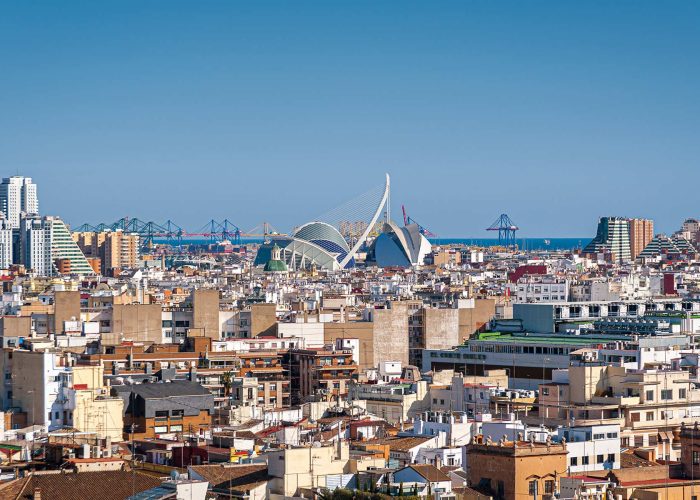
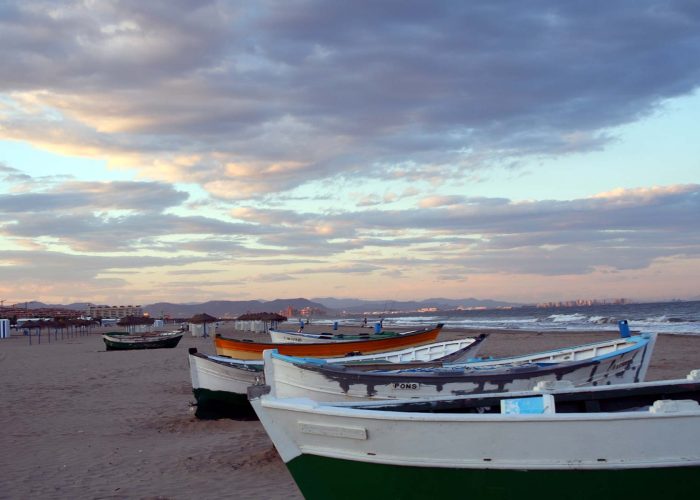
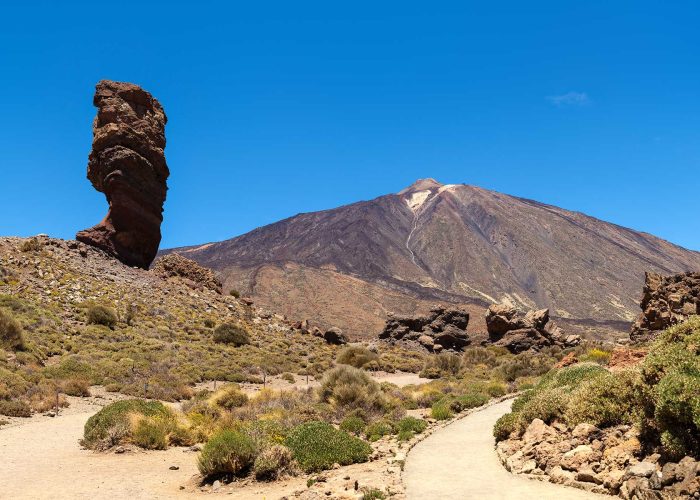
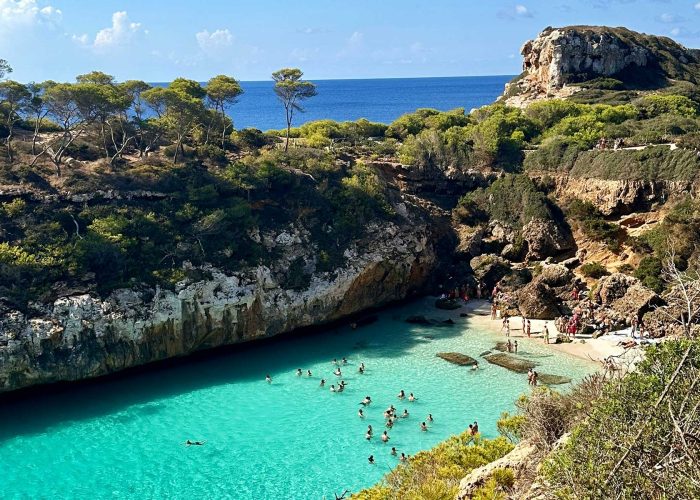
Even Spain’s most famous summer destinations, such as the Balearic Islands, Valencia region and the Canary Islands, offer awe-inspiring experiences if you visit outside of peak season. In these regions, where life is lived in harmony with nature and tradition, you can experience a deeper, more authentic connection to Spain’s rich cultural and natural beauty.
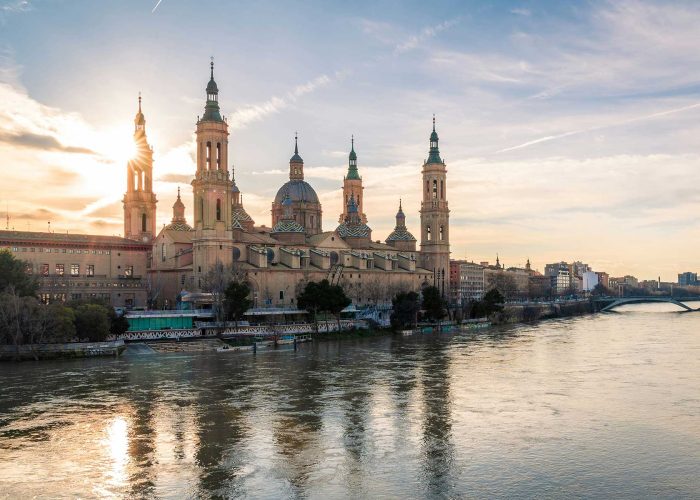
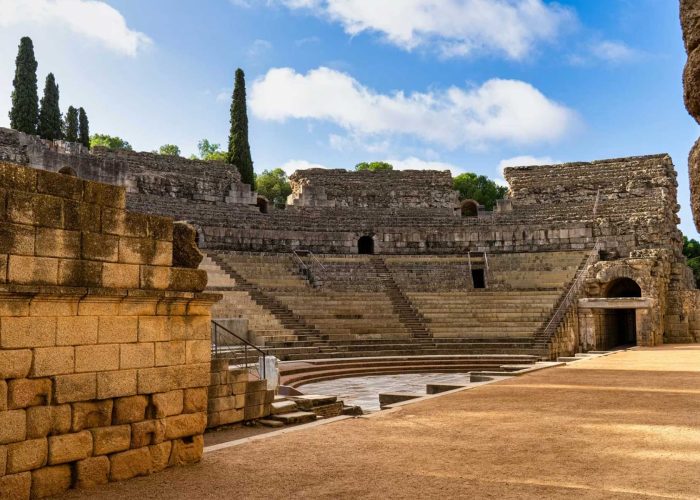
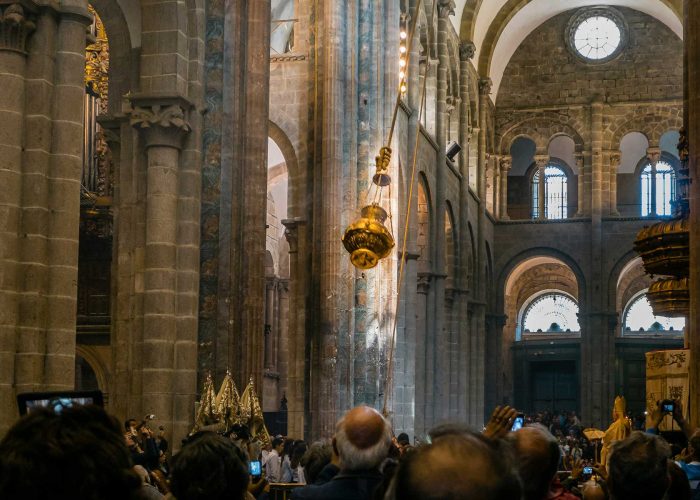
For those seeking the unusual, Galicia offers a wild, edge-of-the-world feeling along its rugged, windswept coast, whether or not you follow the Camino de Santiago. In Valencia, you’ll experience the Mediterranean essence in every corner, and the birthplace of the famous paella. Zaragoza, the capital of Aragón, is a hidden gem brimming with history, art, and gastronomy—a must-see stop on the high-speed train route between Barcelona and Madrid. Meanwhile, Extremadura surprises with its Roman heritage, charming historical towns, and expansive national parks filled with unique wildlife, though I’d recommend avoiding it in the summer heat.
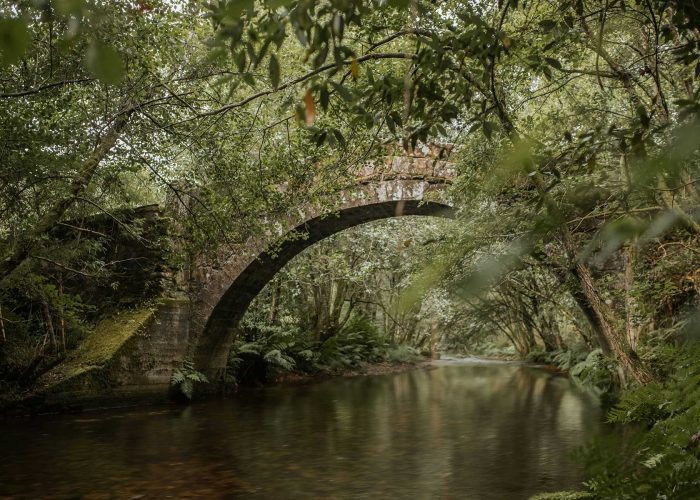
If you’re interested in exploring Spain’s lesser-known treasures—places rich in history, gastronomy, outdoor pursuits, world-class art museums, crystal-clear beaches, and ancient forests—this is the Spain that offers an authentic, off-the-beaten-path experience.